Orbit Living Kitchen Guide

Air Fryer Guide

A refined guide to choosing, using, cleaning, and getting better everyday results from an air fryer. Designed for modern kitchens, quick meals, crisp textures, and confident home cooking.

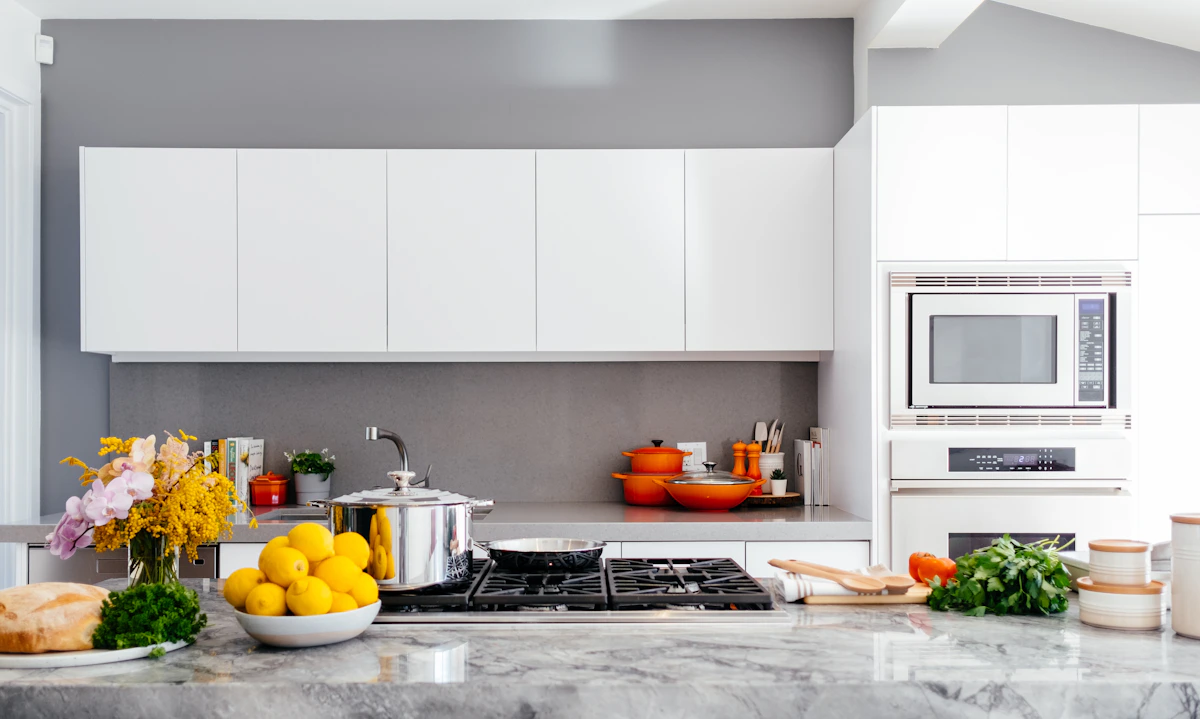
Modern kitchen counter prepared for everyday cooking with compact appliances
Modern Cooking Compact heat, faster meals, cleaner routines.

Small appliance, big everyday range.

Air fryers are loved because they make routine meals easier: crisp vegetables, reheated leftovers, quick chicken, frozen snacks, and small-batch cooking without heating a full oven.

2–4 qt Best for one person, snacks, side dishes, and small apartments.
5–7 qt A balanced size for couples, families, meal prep, and versatile cooking.
8 qt+ Ideal for larger households, batch cooking, and wider basket layouts.
3–5 min A brief preheat can improve browning and reduce soggy texture.

Why texture improves

An air fryer works by moving hot air quickly around food. The best results come from space, surface dryness, and steady heat. Instead of thinking of it as a deep fryer replacement, think of it as a compact convection tool for crisp edges, fast weeknight meals, and cleaner counters.

01

Airflow matters

Leave breathing room between pieces so heat can circulate around the food instead of steaming it.

02

Moisture matters

Pat ingredients dry before cooking. Less surface moisture helps browning and crisping.

03

Timing matters

Shake, flip, or rotate food halfway through for even color and better texture.

Choose by meals, not just basket size.

The best air fryer for your home should match your counter space, cooking frequency, and the foods you make most often. A slightly larger basket is useful when you want crisp food without crowding.

Bright modern kitchen with prepared ingredients and home cooking appliances
Kitchen Fit Look for usable basket space and easy storage.
Solo Choose a compact model for toast-style snacks, vegetables, reheating, and single portions. Prioritize a small footprint and simple controls.
Everyday Choose a mid-size basket for balanced performance. This is the most flexible range for weeknight dinners, sides, and meal prep.
Family Choose a wider basket or dual-zone layout when you cook larger portions or want proteins and vegetables at the same time.
Storage Measure cabinet height, counter depth, and the clearance needed for safe airflow around the appliance.

A better result starts before the basket closes.

Good air frying is simple, but the small details matter. Build a consistent routine and your results will feel cleaner, faster, and more reliable.

Preheat

Give the basket a few minutes to warm when you want crisp edges and faster browning.

Dry food

Remove extra moisture from vegetables, potatoes, chicken, and tofu before seasoning.

Light oil

Use a small amount of oil when needed. A thin coating is usually enough.

Single layer

Avoid crowding. Multiple smaller batches often beat one packed basket.

Shake once

Flip or shake halfway through to improve color, texture, and even cooking.

What air fryers do especially well.

Air fryers are most useful when they make daily cooking feel easier. They are especially strong for quick textures, reheating, and small batches that do not need a full oven.

Crisp sides

Potatoes

Fries, wedges, and breakfast potatoes become better when cut evenly, dried well, and cooked in a single layer.

Fresh meals

Vegetables

Broccoli, carrots, peppers, and Brussels sprouts develop roasted edges with less time than a full oven.

Weeknights

Chicken

Cutlets, tenders, and wings work well when lightly coated and turned halfway through cooking.

Leftovers

Reheating

Pizza, fries, roasted vegetables, and breaded foods often reheat better than they do in a microwave.

Fast snacks

Frozen foods

Frozen appetizers and small bites are convenient, but check early because air fryers can cook quickly.

Small batches

Baked bites

Small pastries, toast-style snacks, and quick desserts can work well when temperature is controlled carefully.

A clean basket protects flavor and performance.

Consistent care keeps food tasting fresh and helps the appliance feel easier to use. Let parts cool before washing, avoid abrasive tools, and keep vents clear during cooking.

Daily care

Clean the basket and tray after greasy or heavily seasoned foods. Light cleaning after each use prevents residue from baking onto the surface.

  • Let removable parts cool before washing.
  • Use warm water, mild soap, and a soft sponge.
  • Dry parts fully before placing them back inside.
  • Wipe the exterior with a damp cloth only.

Smart safety

Air fryers need airflow. Place the unit on a stable, heat-safe surface and keep space around the vents while cooking.

  • Do not block rear, side, or top ventilation areas.
  • Avoid overfilling the basket with loose ingredients.
  • Use silicone, wood, or non-scratch tools when possible.
  • Unplug the appliance before deeper cleaning.

Details worth checking before you choose.

A premium-feeling air fryer is not only about appearance. Look for practical features that improve daily use, cleaning, storage, and cooking confidence.

Controls

Choose controls that feel clear at a glance.

  • Readable temperature and timer settings.
  • Simple presets for common foods.
  • Pause or shake reminders when available.

Basket design

The basket shape changes how food cooks.

  • Wider baskets support better single-layer cooking.
  • Nonstick surfaces should feel easy to clean.
  • Removable trays make washing more convenient.

Home fit

Measure the space before buying.

  • Check counter depth and cabinet clearance.
  • Leave safe airflow room around the appliance.
  • Choose a capacity that matches real meals.
A good air fryer should feel easy to reach for, easy to clean, and easy to store. For most homes, the best choice is the model that fits your actual routine, not simply the largest size available.
Do I need to preheat an air fryer?

Preheating is not always required, but it often helps with crisping and browning. For fries, vegetables, chicken, and frozen snacks, a short preheat can make results more consistent.

Why is my food not getting crispy?

The most common reasons are crowding, excess surface moisture, not enough airflow, or skipping the halfway shake. Dry the food, use a single layer, and cook in smaller batches when needed.

Can I use parchment paper in an air fryer?

Use only parchment designed for air fryers or high-heat cooking, and never place loose parchment inside during preheating. Food should weigh it down so it cannot lift into the heating area.

How much oil should I use?

Many foods only need a light coating. Too much oil can create smoke or make food feel heavy. A small amount is usually enough to help seasoning stick and improve browning.

What size air fryer should I buy?

For one person, compact models are often enough. For couples or regular dinners, a mid-size basket is more flexible. For families, consider a wider basket or larger capacity to avoid crowding.

How do I reduce smoke while cooking?

Clean grease residue regularly, avoid excessive oil, and check that food is not touching the heating area. Fatty foods may need extra attention, proper spacing, and a clean basket.

Can an air fryer replace an oven?

It can replace an oven for many small meals, sides, snacks, and reheating tasks. A full oven is still useful for large trays, big roasts, oversized bakeware, and cooking multiple dishes at once.

How often should I clean the basket?

Clean the basket after greasy, sticky, or heavily seasoned foods. For light use, wipe and wash as needed, but do not let residue build up because it can affect flavor and performance.